
Commercial Property Maintenance Services in Southampton, Hampshire
Your trusted FM partner, enriching your business through lasting relationships.
Your Trusted FM Partner in The South.
Welcome to SEFM, we're your go-to partner for your Commercial Property Maintenance needs in Southampton. From gardening to electrical services, HVAC maintenance to cleaning and consumables, we've got you covered. Our Hampshire team is dedicated to providing services to help your facility run smoothly and efficiently. We take care of the details so you can focus on what matters most.
Contact Us

Our Services
Based in Goring, we provide property services across The South

Compliance
Water Treatment
Fire & Security
Electrical

Maintenance
Mechanical & Electrical
HVAC
Landscaping
Water Management
External & Internal Cleaning
Fire & Security

Projects
HVAC
Mechanical & Electrical
All Services
List of Services
-
Legionella TestingLegionella Testing
-
Water SamplingWater Sampling
-
FlushingFlushing
-
Flushing of Seldom Used OutletsFlushing of Seldom Used Outlets
-
Water System ManagementWater System Management
-
Internal CleaningInternal Cleaning
-
Sewage and Drainage MaintenanceSewage and Drainage Maintenance
-
Drain CleaningDrain Cleaning
-
LandscapingLandscaping
-
Waste ManagementWaste Management
-
Front of houseFront of house
-
Window CleaningWindow Cleaning
-
External CleaningExternal Cleaning
-
CCTV MaintenanceCCTV Maintenance
-
Generator MaintenanceGenerator Maintenance
-
Pump MaintenancePump Maintenance
-
AHU MaintenanceAHU Maintenance
-
HVAC MaintenanceHVAC Maintenance
-
Door MaintenanceDoor Maintenance
-
Lift and Escalator MaintenanceLift and Escalator Maintenance
-
Fuel ServicesFuel Services
-
24/7 Helpdesk24/7 Helpdesk
-
Building Energy Management Systems (BEMS)Building Energy Management Systems (BEMS)
-
Reactive MaintenanceReactive Maintenance
-
Preventative Maintenance (PPM)Preventative Maintenance (PPM)
-
Building ComplianceBuilding Compliance
-
Sprinkler system MaintenanceSprinkler system Maintenance
-
Fire Risk AssessmentsFire Risk Assessments
-
Fire Blanket & Extinguisher Inspections/ MaintenanceFire Blanket & Extinguisher Inspections/ Maintenance
-
Fire Alarm TestingFire Alarm Testing
-
Fire Alarm MaintenanceFire Alarm Maintenance
-
Call Point Testing (Break Glass Testing)Call Point Testing (Break Glass Testing)
-
Electrical Remedial WorksElectrical Remedial Works
-
EICREICR
-
Emergency LightingEmergency Lighting
-
PAT TestingPAT Testing
-
ATS/STS MaintenanceATS/STS Maintenance
-
UPS MaintenaceUPS Maintenace
-
Transformer MaintenanceTransformer Maintenance
-
High Voltage (HV) and Low Voltage (LV) Switch Gear MaintenanceHigh Voltage (HV) and Low Voltage (LV) Switch Gear Maintenance
-
Access Control MaintenanceAccess Control Maintenance
-
Office ErgonomicsOffice Ergonomics
-
Office Re-FitsOffice Re-Fits
-
Audits (dilapidations, condition reports, and lifecycle reports)Audits (dilapidations, condition reports, and lifecycle reports)
-
Computer Aided Facilities Management (CAFM)Computer Aided Facilities Management (CAFM)
-
Computerised Maintenance Management System (CMMS)Computerised Maintenance Management System (CMMS)
Property Services & Commercial Maintenance Done Right
We provide a host of ongoing services and one-off projects across The South. Our facilities management and commercial property maintenance services are built on high levels of trust & customer service.

Recent Blog Posts

Managing Heritage Buildings: FM Challenges in Listed Properties Heritage buildings and listed properties are an important part of the UK’s cultural and architectural history. From centuries-old cathedrals and stately homes to historic town halls and converted warehouses, these structures bring character and prestige to the communities they serve. However, managing and maintaining such properties is no easy task. Facilities management (FM) in heritage buildings requires a delicate balance between preservation, compliance, and functionality. In this blog, we’ll explore the unique FM challenges faced when managing listed properties and how facilities managers can overcome them to protect these treasured buildings for future generations. Understanding Listed Properties In the UK, a “listed building” is one that has been officially designated as being of special architectural or historic interest. There are three grades of listing: · Grade I : Buildings of exceptional interest. · Grade II *: Particularly important buildings of more than special interest. · Grade II : Buildings of special interest, warranting every effort to preserve them. Each grade comes with strict regulations on what changes can and cannot be made to the building. This makes facilities management in listed properties far more complex than in modern buildings. Key Facilities Management Challenges in Heritage Buildings 1. Compliance with Regulations One of the biggest challenges is navigating the strict rules surrounding listed properties. Any work carried out, from replacing a window to upgrading heating systems, often requires consent from local authorities. FM Considerations: · Engage early with local planning authorities to ensure compliance. · Work with specialists who understand conservation laws and building regulations. · Keep detailed records of all maintenance and approvals for accountability. 2. Balancing Preservation with Modern Needs Heritage buildings weren’t designed for modern use, and adapting them to current standards—whether for accessibility, technology, or sustainability—requires creative solutions. FM Considerations: · Installing modern systems (e.g., Wi-Fi, HVAC) in ways that don’t damage original architecture. · Using sympathetic materials and methods to preserve the building’s character. · Finding compromises that maintain both usability and authenticity. 3. Maintenance and Repair Challenges Older buildings often come with fragile structures, outdated materials, and systems that are difficult to repair or replace. FM Considerations: · Regular condition surveys to identify potential risks before they become major issues. · Sourcing traditional materials or skilled craftsmen for authentic repairs. · Implementing preventative maintenance schedules to minimise emergency repairs, which are often more disruptive and costly. 4. Energy Efficiency and Sustainability Listed properties can be energy-intensive due to poor insulation, outdated heating systems, and restrictions on altering windows or walls. FM Considerations: · Use secondary glazing instead of replacing historic windows. · Upgrade heating and lighting systems with discreet, energy-efficient alternatives. · Introduce renewable energy solutions where permitted, such as solar panels designed to blend with existing roofs. 5. Accessibility and Safety Modern safety and accessibility standards, such as fire safety, disabled access, and emergency lighting—are essential but can be difficult to implement without affecting the building’s heritage value. FM Considerations: · Install ramps, lifts, and accessible facilities in unobtrusive ways. · Use discreet fire safety systems, such as wireless alarms or concealed sprinklers. · Ensure emergency lighting is both effective and sympathetic to the building’s design. 6. Higher Costs and Limited Budgets Maintaining a listed property is often more expensive than a modern building due to specialist materials, skilled labour, and lengthy approval processes. FM Considerations: · Plan long-term maintenance budgets to account for higher costs. · Explore grants, tax reliefs, and heritage funding options available in the UK. · Prioritise preventative maintenance to reduce the likelihood of costly emergency repairs. Best Practices for Facilities Management in Heritage Buildings · Collaborate with Conservation Experts : Work alongside heritage consultants, architects, and conservation officers. · Adopt a Preventative Approach : Small issues can quickly escalate in historic properties—regular inspections and early interventions are essential. · Train FM Teams : Ensure your staff are aware of the sensitivities involved in heritage building management. · Leverage Technology : Use non-invasive monitoring tools, such as thermal imaging, to identify damp, insulation, or structural issues without damaging the property. · Engage Stakeholders : Communicate with owners, tenants, and local authorities to align preservation goals with practical requirements. Conclusion Managing heritage buildings is a unique and rewarding challenge. Facilities management in listed properties requires a careful balance between preserving historic character and meeting modern operational needs. With the right expertise, preventative strategies, and sensitivity to regulations, facilities managers can protect these iconic structures while keeping them functional and safe for present-day use. At SEFM Ltd, we understand the complexities of managing heritage properties and work closely with clients to deliver facilities management solutions that respect the past while supporting the future. Contact us today to find out how we can help maintain and protect your heritage building.
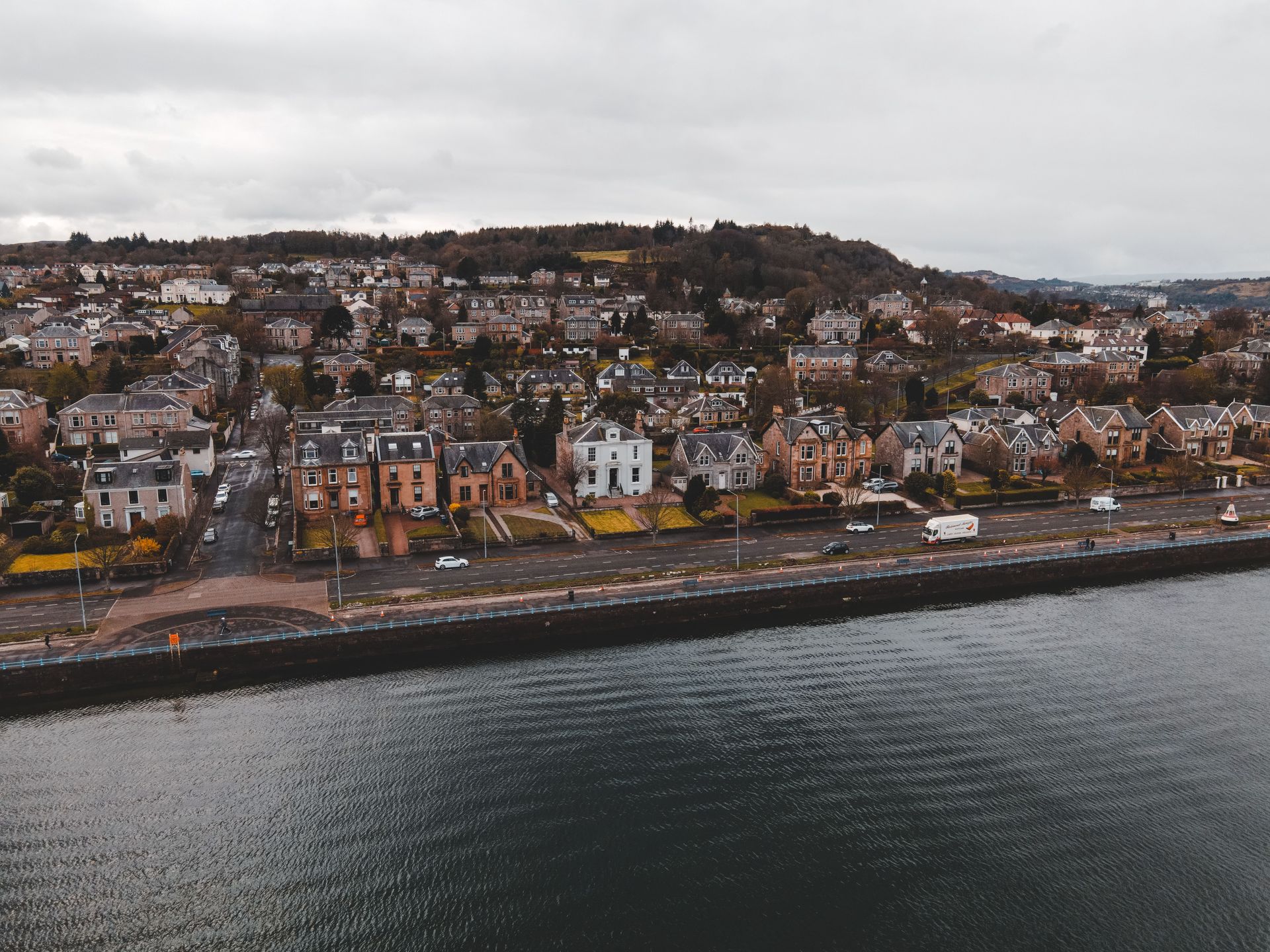
Buildings near the sea face unique FM challenges, from salt corrosion to elevated humidity. Here's what facilities managers in coastal areas must plan for.

SEFM is proud to announce that we have successfully obtained ISO 9001:2015 (Quality Management) and ISO 45001:2018 (Occupational Health & Safety Management) certifications.